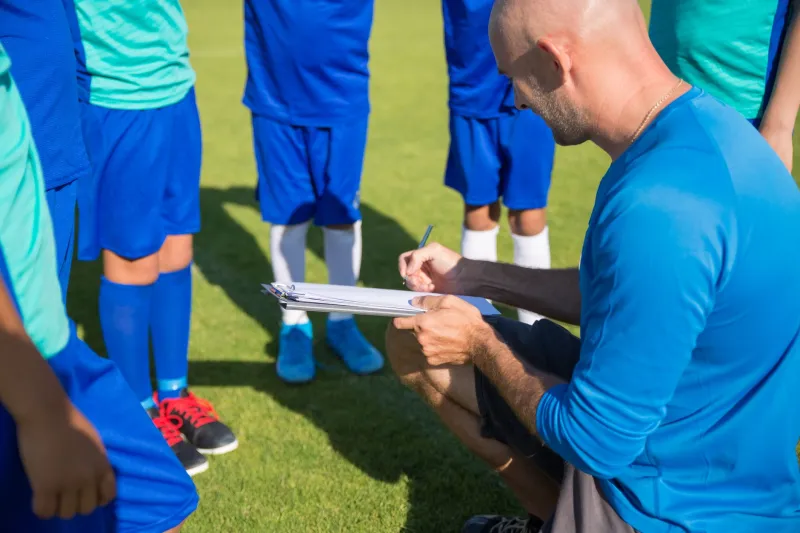
The Thankless Whistle: What It Really Takes to Referee Women's Football

Photo by Photo by Agustina Solari on Unsplash on Unsplash
The Thankless Whistle: What It Really Takes to Referee Women's Football
The first thing Marcus Webb does when he arrives at a ground is check the pitch. Not for the game. For the exits. "Old habit," he says, without a trace of irony. "You want to know where you're going at the final whistle."
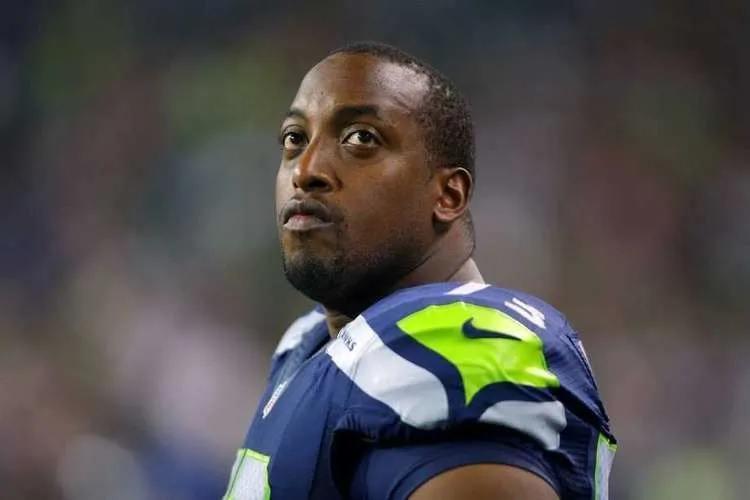 Photo: Marcus Webb, via alchetron.com
Marcus has been refereeing women's football for eleven years. He started at Sunday morning level in south-east London, worked his way through the county structure, and now regularly takes charge of matches involving teams at the top end of the regional pyramid — including, on several occasions, Charlton Women. He loves the job. He also doesn't pretend it's easy.
"People think refereeing is just running around with a whistle," he says. "It's not. It's constant decision-making under pressure, with everyone convinced you've got it wrong before you've even made the call."
Starting from Scratch
The pathway into refereeing is more structured than most people realise. The FA's referee development programme takes candidates from a basic entry-level course — typically a weekend of classroom learning and practical assessment — all the way through to the elite tiers of the national game. At grassroots level, courses run through county FAs and are genuinely accessible, often subsidised and open to people of any age.
For many officials working in the women's game, the entry point was precisely that: a flyer on a noticeboard, a suggestion from a coach, or a practical response to a local shortage. Sophie Harrington started refereeing at seventeen after her playing career was cut short by a knee injury. "I wasn't ready to step away from football," she says. "Refereeing was a way to stay involved. I didn't expect to still be doing it fifteen years later."
Sophie now mentors younger officials through her county FA and has taken charge of matches at several levels of the women's pyramid. She's seen the game change enormously. "The standard at the top of the women's game now is incredible. The players are fitter, the tactics are more sophisticated, and the scrutiny on officials has increased to match. You have to keep developing or you get left behind."
The Abuse Problem
There's no point dancing around it. Referee abuse is a genuine problem in grassroots football, and anyone who's spent time on a Sunday morning touchline knows it. Shouting at officials has become so normalised in certain circles that people barely notice they're doing it.
For women's football, the picture is complicated. At the elite end of the game, behaviour has generally improved alongside the professionalisation of the environment. But at grassroots level, officials still encounter hostility that ranges from persistent moaning to outright aggression.
"I've had a parent follow me to my car," Marcus says, matter-of-factly. "That was a few years ago now, but it sticks with you. You don't forget that."
The FA has made referee welfare a stated priority, with reporting mechanisms, support networks, and sanctions for clubs whose officials or spectators cross the line. In practice, enforcement is patchy, and the burden of reporting still falls largely on the referee themselves — not always easy when you're a volunteer who just wants to get home after a long day.
What keeps people going, almost universally, is the game itself. "The ninety-nine per cent of matches that are just good, honest football," Sophie says. "A well-worked goal. A brilliant tackle. Two teams giving everything. That's why you do it."
The Women's Game Needs More Officials
Here's a stat worth sitting with: the growth in participation in women's football has consistently outpaced the growth in qualified referees to cover it. More teams, more leagues, more matches — and not enough officials to go around. At grassroots level, this means fixtures sometimes going ahead with under-qualified referees, or being called off entirely.
For Charlton Women's own academy and development pathways, the pipeline of officials is a genuine operational concern. Matches at younger age groups are particularly vulnerable, and the knock-on effect on player development is real. Without competent officiating, young players don't learn the game properly. They don't experience the rhythm of a well-managed match.
"We need more people to take the course," says Marcus bluntly. "Especially in south London. There's loads of football happening and not enough of us to cover it."
The good news is that the FA's recruitment campaigns have had some success, and the visibility of women's football has brought in officials who might not previously have considered the role. Former players, parents, coaches — the pool is wider than it's ever been.
What They Actually Want
Ask a referee what they want from players, coaches, and supporters and the answer is almost always the same: respect. Not deference. Not silence. Just the basic acknowledgement that they're human beings doing a difficult job as well as they can.
"I don't expect everyone to agree with me," Sophie says. "I make mistakes. We all do. But there's a difference between disagreeing with a decision and treating someone like they're your enemy."
For Marcus, the ideal match is one where nobody remembers the referee at the end. "If you're talking about the official after the game, something went wrong — either on the pitch or in the stands. The best games are the ones where the football was the story."
That's a pretty reasonable ask. And next time you're at a Charlton Women fixture, watching the official sprint to keep up with play, it might be worth remembering: they were there before you arrived, and they'll still be filling in paperwork long after you've gone home.