The Whiteboard and the Words: How Charlton Women's Coaching Staff Build a Winning Game Plan
The Whiteboard and the Words: How Charlton Women's Coaching Staff Build a Winning Game Plan
There's a version of football management that lives in the popular imagination — the hairdryer treatment, the inspirational speech, the genius substitution that wins the game. The reality, as anyone who's spent time around a professional coaching environment will tell you, is both more mundane and more fascinating than that. It's built on preparation, communication, and the kind of repetitive, detail-obsessed work that never makes the highlights reel.
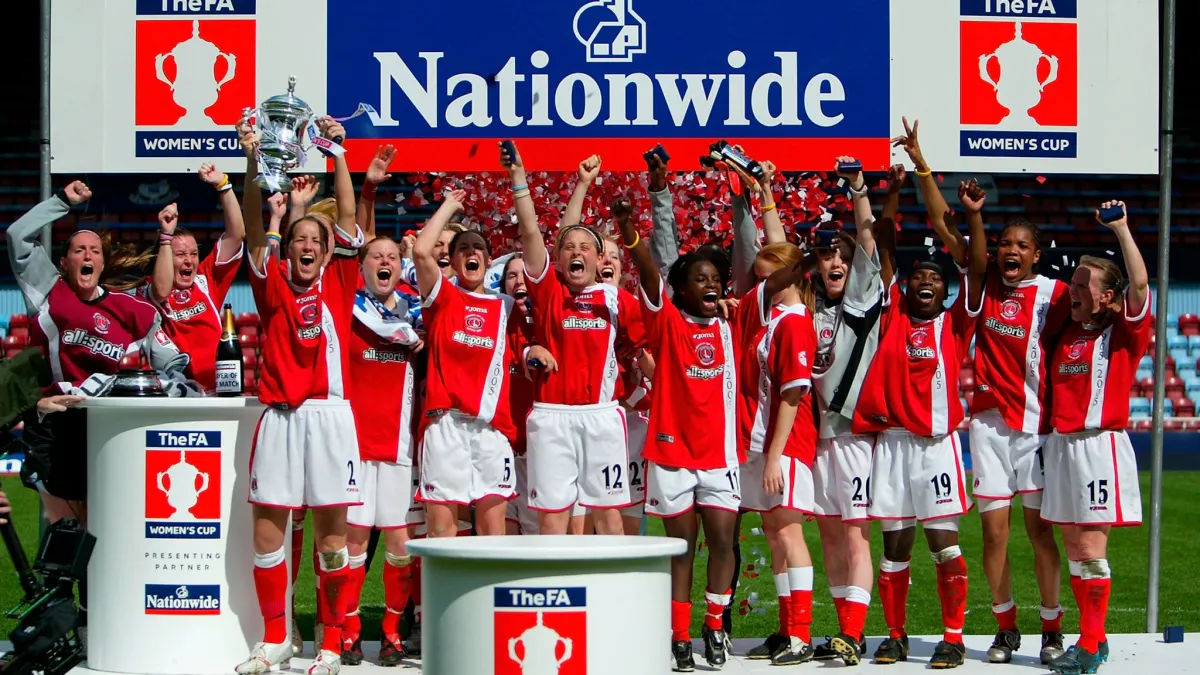 Photo: Charlton Women, via e0.365dm.com
At Charlton Women, the coaching staff have developed a culture of tactical rigour that sits alongside a genuine understanding of how to get the best out of their players as people, not just as footballers. The two things, they'll tell you, are inseparable.
Building the Week
Long before a ball is kicked on matchday, the game has already been played dozens of times in the coaching staff's heads. The preparation process starts almost as soon as the previous match ends.
Opposition analysis is the foundation. Charlton's coaches will spend significant time reviewing footage of upcoming opponents — identifying patterns, understanding pressing triggers, noting which players carry the most threat and where they're vulnerable. In the women's game, where scouting resources have historically been thinner than in the men's game, this kind of detailed preparation represents a real competitive advantage for clubs willing to invest the time.
From that analysis, a game plan takes shape. Not a rigid script — football is too unpredictable for that — but a set of principles and priorities that give the players a clear framework for what the coaching staff want from them in that specific match.
Communicating the Plan
Having a brilliant game plan means nothing if you can't communicate it effectively. This is where coaching becomes as much about psychology and communication as it is about tactics.
Charlton Women's coaching staff work hard on clarity. Not simplicity for its own sake, but the kind of precise, unambiguous messaging that means a player knows exactly what's expected of her in a given situation. When you're in the 88th minute, a goal down, and your brain is running on adrenaline and exhaustion, you need your instructions to be crystal clear.
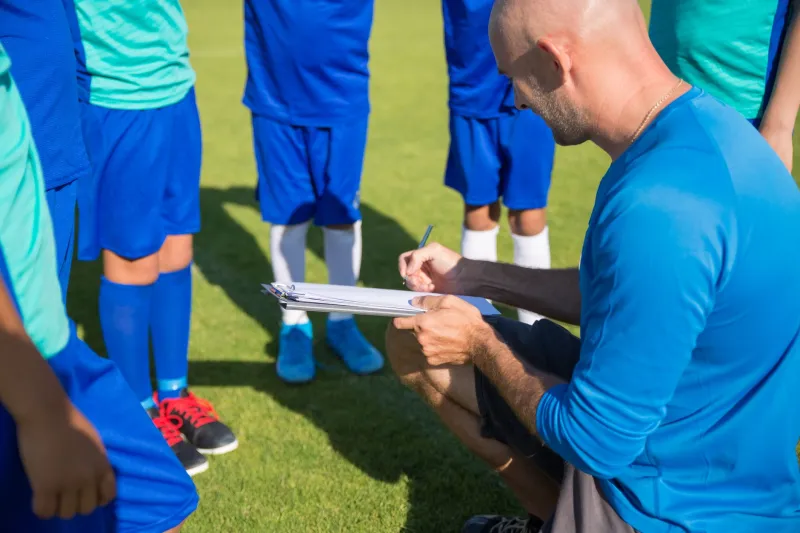
The tactical whiteboard — that enduring symbol of coaching culture — is still very much in use, though it now sits alongside video analysis software, tablet-based presentations, and increasingly sophisticated data tools. The combination allows coaches to show rather than just tell, which makes a significant difference in how quickly players absorb information.
The Half-Time Dressing Room
If there's one moment in the week that carries the most pressure for a coaching staff, it's the 15 minutes at half-time. You've got a limited window to assess what's gone wrong or right, adjust your approach, deliver your message, and send players back out in a better state than they came in. It's a high-wire act that looks simple from the outside and is anything but.
The first few minutes after the players come in are usually spent letting the dust settle. Bodies need water. Hearts need to slow down. Coaches take that time to collect their own thoughts, often having already spoken briefly with their assistants about what they've seen.
Then comes the conversation. Good coaching at half-time isn't just about tactical adjustments, though those matter enormously. It's about reading the room. If the team is deflated after conceding a late goal, the emotional register of the message needs to be different than if they're frustrated at a lack of cutting edge despite good play. The best coaches adapt their delivery as much as their tactics.
Specific adjustments might involve changing the shape — moving from a 4-3-3 to a 4-4-2, or pushing a midfielder into a more advanced role to overload a particular area. They might involve individual instructions: press higher on their left back, stop switching play through the middle, get in behind their centre-halves earlier. The details vary, but the precision is constant.
Training Ground Habits
The dressing room at half-time is just the most visible expression of a coaching philosophy that's built and reinforced on the training ground every single week. The sessions Charlton Women's players go through aren't random — they're carefully designed to replicate the kinds of situations and decisions they'll face in matches.
Pressing drills, set-piece routines, small-sided games with specific constraints — all of it is pointed at building automatic responses that players can rely on when the pressure is on. The best training sessions are ones where players are making decisions under fatigue and time pressure, because that's the environment that matches actually produce.
There's also a deliberate focus on what coaches call 'moments' — the transitional phases of the game where matches are often won and lost. The split-second after losing possession. The instant of regaining it. How quickly the team can shift from attack to defence and back again. These transitions are drilled relentlessly because they're where the margins live.
Motivating Without Manufacturing
One thing Charlton Women's coaching staff are clear on: manufactured motivation doesn't last. The dramatic speech might produce a short-term spike, but sustainable performance comes from players who understand why they're doing what they're doing and genuinely believe in it.
That means building trust over time. It means being honest when things aren't working, rather than just finding positives for the sake of morale. It means creating an environment where players feel safe to ask questions, challenge ideas, and own their own development.
When that culture is in place, the half-time team talk doesn't need to be a theatrical performance. It can be a genuine conversation between people who trust each other and want the same thing. That, more than any tactical innovation, is what separates the coaching environments where players genuinely grow from those where they merely go through the motions.
The Bigger Picture
Tactics and motivation don't exist in isolation. They're expressions of a broader philosophy about how the game should be played and what kind of team Charlton Women want to be. That philosophy — attacking, organised, physically committed, technically ambitious — is something the coaching staff have worked to embed at every level of the club.
When it comes together on a matchday, when the game plan clicks and the players are executing with confidence and clarity, it's the result of hundreds of hours of unglamorous preparation. The whiteboard. The video sessions. The training ground repetitions. The honest conversations.
That's where football is actually won. The pitch on Saturday is just where you find out.