From Nervous Newcomer to First-Team Regular: The Trial That Changed Everything
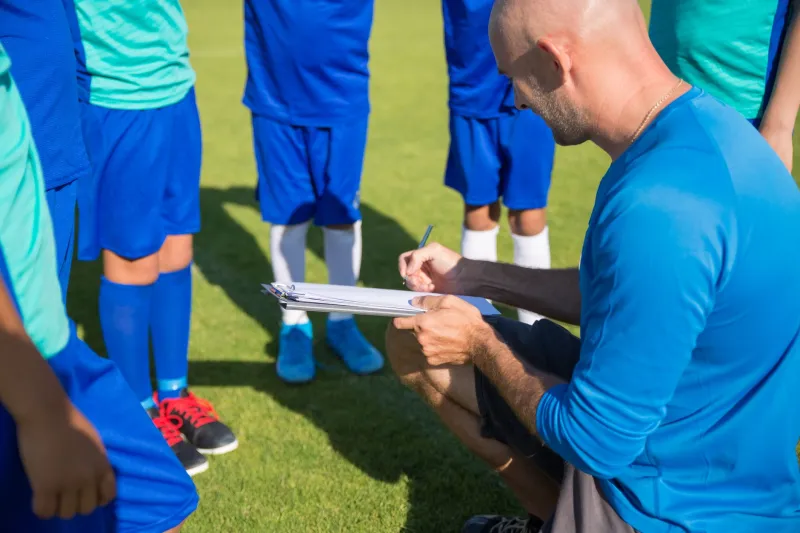
There's a particular kind of silence that descends on a young footballer the moment she steps onto a training pitch for a trial. Everything she's worked for — the early mornings, the muddy Sunday leagues, the sacrificed weekends — has led to this. And somewhere on the touchline, someone with a clipboard is watching.
At Charlton Women, that moment happens more often than most people realise. The club runs one of the more active trial and scouting programmes in the south-east, and over the years it has unearthed players who might otherwise have drifted out of the women's game entirely. Some were spotted at grassroots level. Others came through recommendations from coaches in the academy system. A few simply wrote an email and asked for a chance.
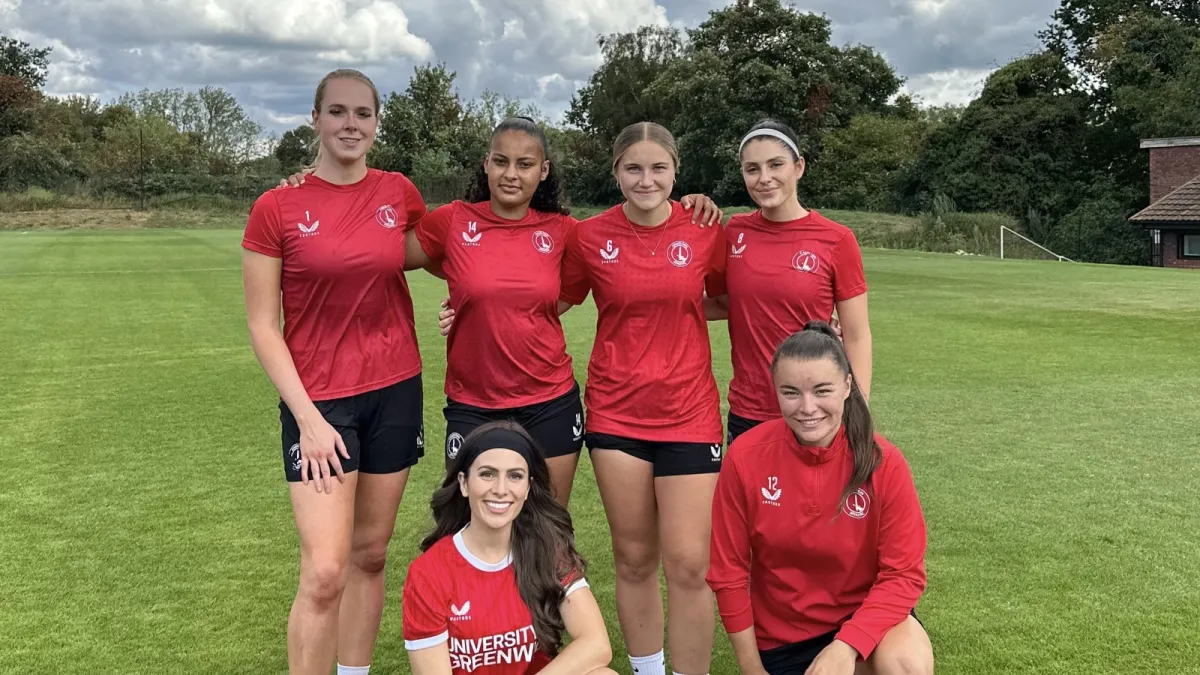 Photo: Charlton Women, via cdn.charltonafc.com
What happened next, for the lucky ones, changed the course of their lives.
More Than Just a Bib and a Kick-About
It would be easy to imagine a trial as a straightforward audition — turn up, show your skills, get a verdict. But the people running Charlton Women's scouting operation will tell you quickly that it's considerably more complicated than that.
"We're not just clocking how fast someone is or whether they can ping a fifty-yard pass," explains one of the club's development coaches, who has been involved in the trials process for several years. "We're watching how they react when things go wrong. How they talk to teammates they've never met before. Whether they're still working hard in the last ten minutes when they're knackered and maybe feeling like it's not going their way."
That attention to character over pure ability is something that comes up repeatedly when you speak to players who came through the trial process. The technical standards are obviously important — this is a club with genuine ambitions in the women's game — but the coaches are equally interested in what happens between the moments of individual brilliance.
Attitude, coachability, and the capacity to absorb pressure without folding: these are the qualities that get players a second look, and sometimes a contract.
Sixteen and Terrified
For many of the women who've made it through the Charlton trial process, the experience began in their mid-teens — that awkward window where talent is obvious but confidence is fragile, and the wrong environment can snuff out a promising career before it starts.
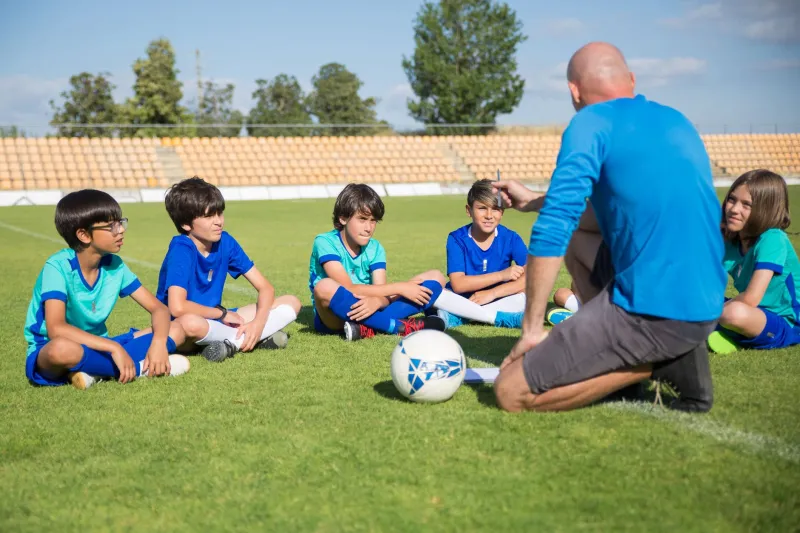
One midfielder, who joined the club's development setup at sixteen after being spotted playing for a local south London side, remembers the experience vividly. "I genuinely thought I was going to be sick on the way there," she says, laughing. "My mum drove me and she was trying to keep me calm, but I think she was more nervous than I was."
 Photo: south London, via www.aladyinlondon.com
She spent two sessions with the squad before being offered a place in the development programme. What she didn't expect was how quickly she felt like she belonged. "Everyone was really welcoming. There wasn't any of that thing where the established players ignore the trial girls. They were talking to me, asking me questions. It felt like they actually wanted me to do well."
That culture of inclusion — deliberate, sustained, and modelled from the top — is something Charlton Women have worked hard to cultivate. Coaches are aware that a player who feels comfortable is more likely to show her real ability. A player who feels like an outsider, by contrast, might never get out of her own head long enough to demonstrate what she's actually capable of.
The Ones Who Fell Through the Cracks
Not every player who ends up at The Valley arrived through a polished scouting pipeline. Some came to Charlton precisely because other clubs had let them go — released from academies, overlooked at trials elsewhere, told in various ways that they weren't quite what was needed.
 Photo: The Valley, via www.bravotv.com
This is perhaps the most important part of what Charlton Women's trial process does: it catches people who have been dropped by the system and gives them a second opinion.
"We've had players come to us who'd been released at fourteen or fifteen and basically stopped believing in themselves," says one of the club's senior staff members. "And then they come here, they get proper coaching, proper feedback, and suddenly they're flourishing. It's not magic — it's just that they needed someone to actually invest in them."
The women's game, particularly below the top two tiers, has historically done a poor job of retaining talented players through their teenage years. Life gets complicated, confidence dips, and without the right support structure, girls who could have had long careers simply walk away. Charlton's approach — patient, holistic, genuinely invested in the person rather than just the player — has kept more than a few of those stories from ending too soon.
What the Scouts Are Really Looking For
Ask different people at the club what they're hunting for in a trial player and you'll get slightly different answers, but certain themes recur with striking consistency.
Decision-making under pressure. The ability to read the game two or three moves ahead rather than simply reacting. Physical qualities that suggest a player will develop well with proper conditioning. And perhaps most importantly: a genuine love for the game that hasn't been coached out of them.
"You can see it in some players immediately," says one scout who covers grassroots football across south-east London and Kent. "They're just enjoying themselves even when they're nervous. That enjoyment is actually quite rare, and when you see it, you take notice."
The club also places considerable weight on how a player receives feedback during the trial itself. Coaches will deliberately offer instruction mid-session and watch carefully to see whether the player adapts, argues, or shuts down. The ones who listen, adjust, and then go and try to implement what they've been told are almost always the ones who get called back.
Building a Career, Not Just Winning a Trial
For the players who make it through, the trial is just the beginning. Charlton Women invest significantly in the development of young players once they're through the door — structured coaching programmes, access to sports science support, and an environment that takes female footballers seriously as athletes.
The players who arrived as nervous sixteen-year-olds and stayed to become first-team regulars will tell you that the trial was the easy bit. What came after — the training, the setbacks, the gradual realisation that they actually belonged at this level — was the real work.
But they'll also tell you something else: that the moment they walked onto that pitch for the first time, something shifted. The game felt different. More possible. More real.
And for a club that has made it its business to find the women others have overlooked, that moment of possibility is exactly the point.