From the North Stand to the Notepad: Supporters Who Became the Gaffer

Photo by Photo by Jeffrey F Lin on Unsplash on Unsplash
There's a specific kind of madness that grips certain football fans. It's not enough to watch. Not enough to cheer or groan or analyse on the way home. At some point, something clicks, and the question shifts from what should they do? to what should I do? And before they've quite worked out how it happened, they're standing on a touchline with a clipboard, responsible for eleven people who are waiting for an answer.
It's more common than you might think. The women's game, in particular, has produced a generation of coaches who began their football lives as supporters — sometimes very passionate, very vocal supporters — before finding a route into the technical side of the sport. At Charlton Women, that pipeline between the terraces and the dugout is something people talk about with genuine pride.
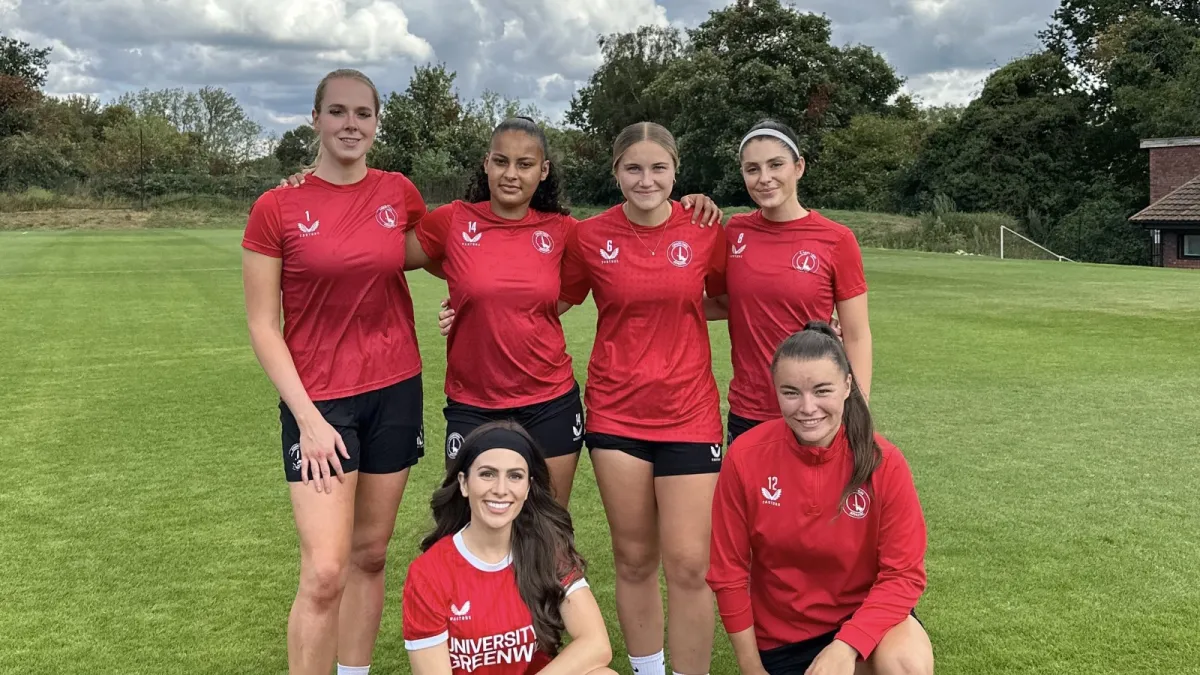 Photo: Charlton Women, via cdn.charltonafc.com
The Moment It Changed
For Denise Okoro, the shift started almost by accident. A lifelong Addick who'd been watching Charlton Women since her early teens, Denise found herself volunteering to help with a girls' team at her local club in Eltham after dropping her niece off for training one Saturday. "They were short of adults," she says. "I just stayed. And then I kept staying."
 Photo: Denise Okoro, via www.gethucinema.com
That was eight years ago. Denise has since completed her FA Level 1 and Level 2 coaching badges, spent three seasons as an assistant manager at a south-east London club in the county women's league, and recently joined Charlton Women's community coaching programme on a part-time basis. She still goes to matches as a supporter whenever she can. The two things don't feel separate to her.
"Being a fan gives you something you don't get from a textbook," she says. "You understand what the game means to people. You know what it feels like when it goes wrong. I think that makes me a better coach, honestly."
Passion Is a Skill
That idea — that the emotional intelligence developed through years of supporting a club is genuinely transferable — comes up repeatedly when you talk to people who've made this journey. The ability to read a dressing room, to understand what a player needs to hear after a difficult match, to hold the tension between high standards and human empathy: these aren't purely technical skills. They're learned through experience. And some of that experience happens in the stands.
Tom Adebisi spent twelve years following Charlton Women before completing his coaching qualifications in his mid-thirties. He now manages a women's team in the Kent County League and is working towards his UEFA B Licence. "I used to watch the way certain managers handled substitutions," he says. "The timing, the body language, the conversation on the touchline. I was learning without realising it."
Tom credits his years as a supporter with giving him a detailed tactical education that he couldn't have got elsewhere. "You watch enough football and you start to see patterns. You notice what works and what doesn't. By the time I started coaching, I already had a framework. I just needed to learn how to communicate it."
Coming Back to Where It Started
Perhaps the most compelling version of this story is when someone completes the full circle — from fan, to coach, and back to the club they supported in the first place. It doesn't happen often, but when it does, there's something genuinely poetic about it.
Jade Mensah grew up watching Charlton Women with her mum and older sister. She played recreationally through her twenties, took her coaching badges after retiring, and spent several years working in development football across south London. Last year, she joined Charlton Women's academy support staff — working with the younger age groups in the development pathway.
"I remember being a kid in the stands thinking these players were incredible," she says. "And now I'm working with girls who might one day play for the first team. That's surreal. But it also feels completely right."
For Jade, the connection to the club isn't a distraction from the professional role — it's the foundation of it. She knows what the badge means to people. She knows the weight of the expectation and the warmth of the community. That knowledge shapes how she works with young players.
What It Actually Takes
Making the leap from supporter to coach isn't just about passion, of course. The FA's coaching pathway requires real investment — of time, money, and energy. Courses need to be attended, assessments passed, hours of practical experience logged. For people balancing full-time jobs and family commitments, it's a significant undertaking.
But the barrier is lower than many people assume. Entry-level qualifications are designed to be accessible, and the women's game actively needs more coaches, particularly those with experience of the grassroots environment. The FA's Wildcats and girls' football programmes have created a huge demand for qualified adults willing to give their time.
"There are fans out there who could be brilliant coaches and they don't know it yet," Denise says. "They've got the knowledge, they've got the love for the game. They just need to take the first step."
Tom agrees. "If you're sitting in the stands thinking you could do better — maybe you're right. Why not find out?"
Still Addicks at Heart
What strikes you, talking to people who've made this journey, is that none of them stopped being fans. The perspective shifted — you see things differently when you're responsible for the result — but the emotional investment never went away. If anything, it deepened.
Denise still gets nervous before Charlton Women matches. Jade still feels a flutter when she walks into The Valley. Tom still checks the score on his phone when he's not there in person.
 Photo: The Valley, via m.media-amazon.com
The white line isn't really a boundary between two different kinds of people. It's just another place where people who love this club end up standing.