Money Talks: The Commercial Deals Quietly Fuelling Charlton Women's Ambitions

Money Talks: The Commercial Deals Quietly Fuelling Charlton Women's Ambitions
When a Charlton Women player pulls on that red shirt on matchday, the badge on the chest and the sponsor's name across the front represent something far bigger than most fans realise. Somewhere between the training ground and the boardroom, a quiet revolution in commercial thinking has been taking place — one that's every bit as important to this club's future as any transfer window.
Women's football in England is booming. You don't need us to tell you that. Record attendances, television deals worth hundreds of millions, and a growing appetite from brands who want to be part of something genuinely exciting. But the question for a club like Charlton — proud, ambitious, community-rooted — is how you harness that wave without losing what makes you special in the first place.
Why Brands Are Finally Paying Attention
For years, women's football was treated as an afterthought by most commercial departments. Sponsors would occasionally throw a modest cheque at a women's team as a box-ticking exercise, with little genuine investment in the relationship. That world has changed dramatically, and Charlton Women have been smart enough to position themselves right in the middle of it.
The demographic appeal of women's football is now something that marketing directors actively seek out. Younger audiences, higher engagement rates on social media, and a fanbase that responds authentically to brands that show genuine commitment — these aren't just talking points. They're the numbers that land deals.
For Charlton Women, the pitch to potential partners isn't just about slapping a logo somewhere and hoping for the best. It's about telling a story. South London. Community. Ambition. A club with real roots and a women's programme that's been building quietly for years while others were still catching up.
 Photo: South London, via www.londonshared.co.uk
Local Roots, National Reach
One of the more interesting aspects of Charlton Women's commercial approach is the balance they strike between local and national partners. While the big-name national brands bring the headline figures, it's the local partnerships — the South London businesses, the regional firms who've grown alongside the club — that often provide the most authentic connections.
Local sponsors aren't just writing cheques. They're showing up on matchday. Their staff are in the stands. Their logos appear on content that their own customers are actually watching. That kind of genuine community integration is something you simply can't manufacture with a national brand that's never set foot in SE7.
At the same time, Charlton Women have been steadily building relationships with brands that operate at a national and even international level. As the WSL and the Championship have grown in profile, so too has the club's ability to make a compelling case to bigger commercial partners. The pitch is straightforward: invest in us now, before the prices go up, and grow with us.
What's Actually in a Shirt Deal?
Shirt sponsorship remains the most visible commercial relationship any football club has, and for women's teams, it carries particular weight. For a long time, women's squads were handed the same shirts as the men's teams — sometimes literally — with little commercial thought given to how they were presented or marketed.
Charlton Women's approach has evolved considerably. Shirt deals now come with expectations on both sides: exposure across digital platforms, matchday branding, player appearances, content creation, and increasingly, community engagement commitments. Sponsors aren't just buying space on a shirt. They're buying into a relationship.
That shift matters enormously for the club's revenue streams. A properly structured shirt deal today looks nothing like the agreements that were standard even five years ago. The inclusion of social media clauses, content rights, and community activation requirements means the value flows in multiple directions.
Stadium and Venue Agreements
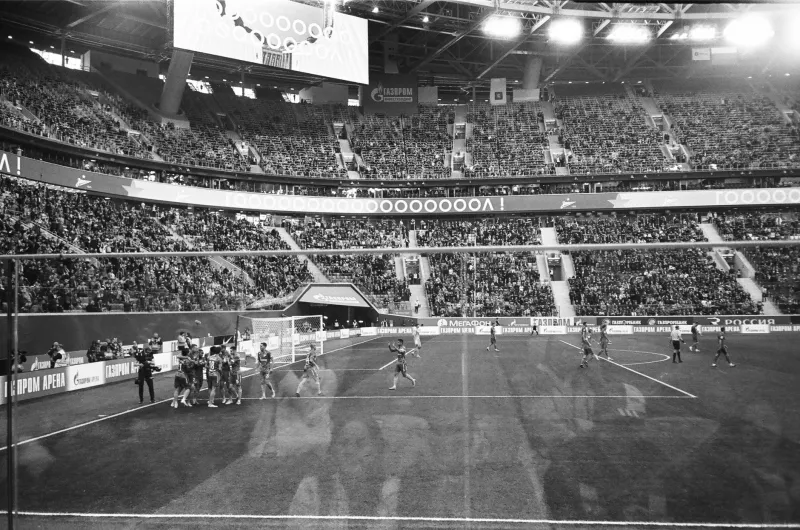
The Valley is more than a ground. For Charlton Women, playing at one of non-league and lower-league football's most storied venues carries genuine commercial weight. Facility agreements — covering everything from naming rights for specific stands to pitch-side advertising — form a significant part of the overall commercial picture.
 Photo: The Valley, via cdn01.justjared.com
As the women's game grows, the conversations around venue usage and associated commercial rights are becoming more sophisticated. Clubs that nail this early will have a significant structural advantage over those who are still working it out. Charlton's position — with an established ground, a clear identity, and a growing fanbase — puts them in a stronger negotiating position than many.
The People Behind the Numbers
None of this happens by accident. Behind every partnership announcement, every shirt reveal, every sponsored post, there are people working to make the commercial side of Charlton Women function. These aren't glamorous roles in the way that scouting or coaching might be, but they're every bit as vital.
The relationship managers, the commercial executives, the people who sit in meetings with brand managers and make the case for women's football investment — they're the unsung engine room of the club's ambitions. And increasingly, they're getting better at their jobs, because the landscape is finally giving them something genuinely compelling to sell.
What It All Means On the Pitch
Commercial growth isn't just about spreadsheets and boardroom handshakes. Every deal done, every partnership secured, translates into something tangible: better training facilities, improved player welfare support, the ability to attract and retain quality players, and the infrastructure to compete at the level this club is targeting.
The connection between commercial success and on-pitch performance is direct and real. Clubs that get the business side right create conditions where coaches can focus on football rather than worrying about budgets. Players can commit fully to their development rather than juggling the demands of part-time arrangements.
For Charlton Women, the commercial strategy and the football strategy are the same strategy, just viewed from different angles. Both are pointed in the same direction: upward.
The boom in women's football investment across England is real, and it's not slowing down. The clubs that will benefit most are the ones who've been building the right foundations — on the pitch and off it. Charlton Women, quietly and purposefully, have been doing exactly that.