From Grassroots to The Valley: Inside Charlton Women's Academy Machine
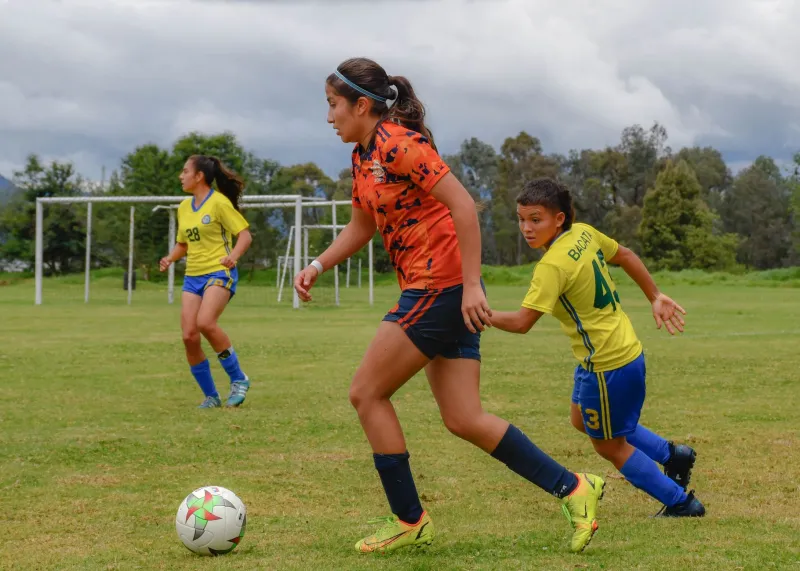
Somewhere right now, a twelve-year-old is playing on a grass pitch in south-east London with mud on her socks and absolutely no idea what's coming. If the right coach spots her, if the right pathway opens up, and if a hundred other things fall into place, she might one day walk out at The Valley in red and white. The Charlton Women academy exists to make that journey possible — and to make it more likely than luck alone would allow.
We spent time with the people building that pipeline to find out how it actually works.
Finding the Right Players
Talent identification in women's football has changed enormously over the past decade, and Charlton Women have moved with it. Where once the net was cast relatively narrowly — local tournaments, school competitions, word of mouth — the club now operates a more systematic approach to scouting that covers a wide geographic area and casts a genuinely wide net.
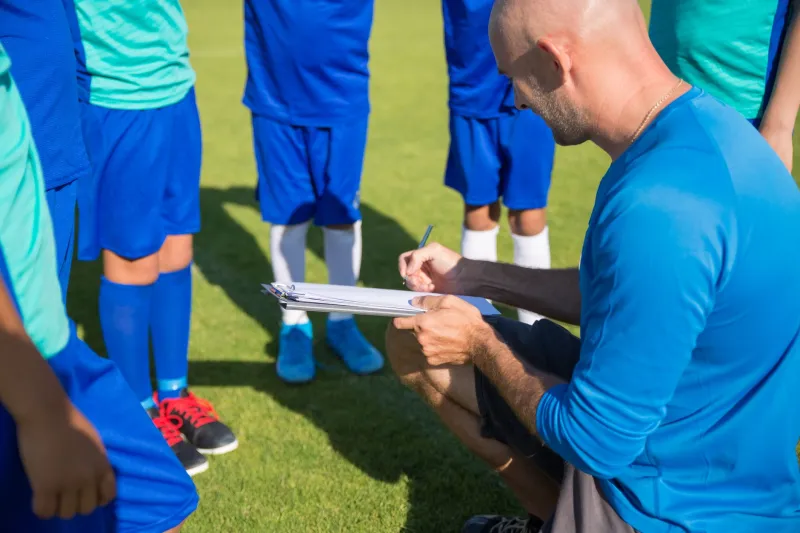
"We're not just looking for the girl who's already the best player on the pitch," one of the club's development coaches told us. "We're looking for players who respond well to coaching, who compete, who show something that you can build on. The finished article at eleven years old is often not the player you want at seventeen."
That distinction matters. Coaches describe a fairly common pattern where players who dominate at grassroots level — often due to physical development rather than technical quality — plateau or even regress when they enter a more structured environment. The players who tend to thrive in the Charlton system are those who are hungry to learn, not just hungry to win.
What the Academy Actually Develops
The curriculum at Charlton Women's academy is built around four interconnected pillars: technical ability, tactical understanding, physical development, and what the coaching staff refer to simply as "the mental side." None of those elements exists in isolation.
"You can have a technically brilliant player who falls apart under pressure," one coach explained. "You can have an incredibly fit player who doesn't understand the game tactically. Our job is to develop the whole player, not just polish one aspect of what they do."
In practice, that means sessions that look quite different from what many players experience at grassroots level. There's a significant emphasis on decision-making under pressure — training environments deliberately designed to be uncomfortable, to force players to think quickly rather than rely on rehearsed patterns. There's also a notable investment in video analysis, even at younger age groups, giving players the visual language to understand what coaches are asking of them.
"Kids respond brilliantly to seeing themselves on video," one coach noted. "You can tell a player twenty times to open their body when they receive the ball. Show them the clip once and they get it immediately."
The Pathway to the First Team
The route from academy registration to first-team involvement at Charlton Women isn't a straight line, and the coaching staff are quite deliberate about that. Players move between age groups based on their individual development rather than a fixed calendar. Some progress quickly; others take longer to reach the physical and technical threshold required for senior football. Both are considered valid journeys.
Recent academy graduates who have broken into the first-team setup describe a transition that felt both exciting and genuinely challenging. The step up in pace, physicality, and tactical complexity is significant, even for players who've been in the system for several years.
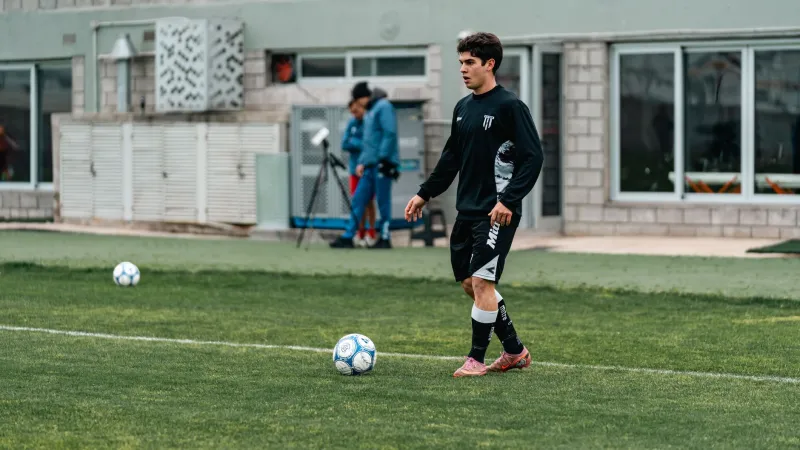
"The first training session with the first team was a shock, honestly," one recent graduate told us. "Not in a bad way, but in a way that told me I still had a lot of work to do. Which is exactly what you need to feel."
The club manages that transition carefully. Rather than throwing academy players straight into the deep end, there's a period of integration — training with the senior squad, experiencing matchday environments, building relationships with established players — before any formal first-team involvement. It's a process that several players credited with helping them avoid the confidence crash that can derail young footballers when they step up prematurely.
Winning vs. Developing: The Eternal Tension
Every academy in every sport faces the same fundamental question: how much do you prioritise winning at youth level versus prioritising individual development? They're not always compatible. The team selection that wins the match isn't always the one that gives the most players the best learning experience.
Charlton Women's coaching staff are refreshingly honest about navigating this tension.
"There are moments when you have to make a call," one coach admitted. "Do you play the stronger team and win, or do you give minutes to a player who needs the experience even if it costs you the result? We try to err on the side of development, but we'd be lying if we said it was always straightforward."
The club's position, broadly, is that results at youth level are a by-product of good development rather than a target in themselves. A team of well-developed players who understand the game should win more often than not — but if they don't, that's less important than whether each individual player is growing.
Parents, understandably, don't always see it that way. Managing those expectations is a significant part of what academy coaches do, and several described it as one of the most demanding aspects of the role.
The Bigger Picture
Zoom out and what Charlton Women's academy represents is something genuinely significant for women's football in south London. The club occupies a specific space in its community — visible, accessible, and increasingly credible at a national level. The players who come through the academy don't just represent themselves or their families. They represent a proof of concept: that this part of the country can produce elite women's footballers.
"Every girl who makes it through to the first team makes it easier for the next one," one coach said simply. "She becomes the person who proves it's possible. And that matters more than any trophy."
Somewhere right now, that twelve-year-old is still playing. The academy machine is already turning.