A Clear Line Down a Bad Connection: The Volunteers Calling Every Charlton Women Match
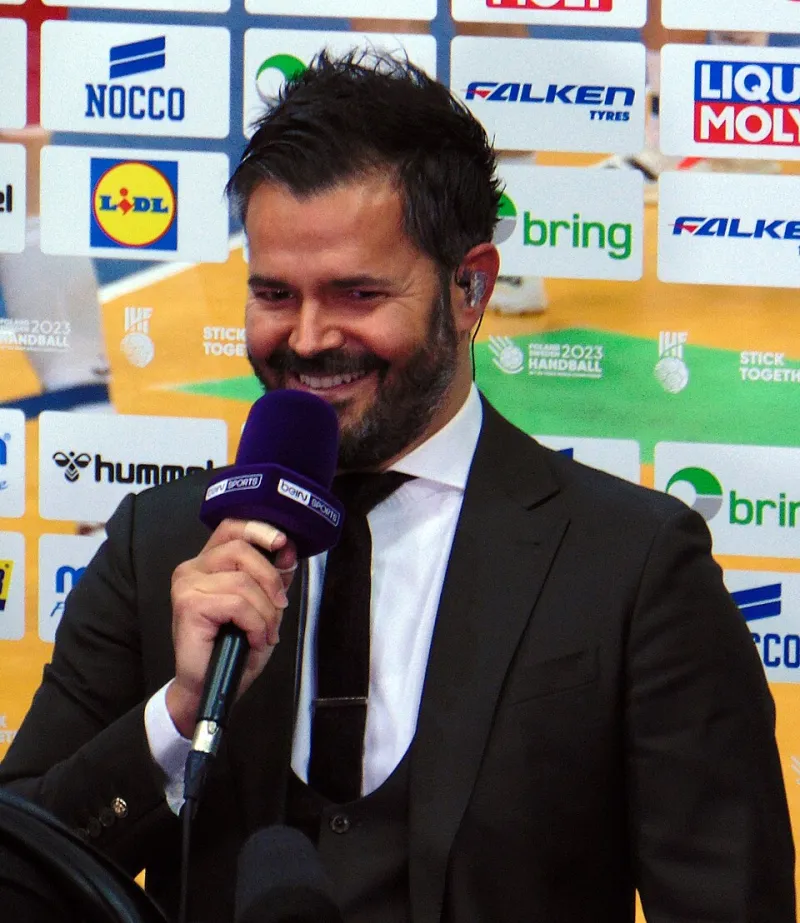
Photo: Zalasem1, CC BY-SA 4.0, via Wikimedia Commons
There is a moment, roughly ten seconds before kick-off, when the person on the microphone has to make a decision. Do they keep talking, filling the silence with team news and context and weather? Or do they let it breathe, let the crowd noise carry the moment, and trust that the listener understands what is about to happen?
Most of them have learned, the hard way, that the answer depends entirely on who is listening — and they usually do not know who that is.
The Unseen Matchday Shift
Charlton Women's audience is not just the people who turn up. It is a parent listening in the car between shifts. It is a supporter who moved away and has never quite stopped checking. It is someone who is visually impaired and relies on a voice to know where the ball is. It is a fan on a train with a dodgy signal and one headphone working.
For all of those people, the match is delivered by a small, mostly volunteer operation: commentary, live text updates on social media, and the growing work around audio description. None of it happens by accident.
'People think it's just chatting for ninety minutes,' says one regular volunteer commentator. 'It's not. You've got a teamsheet in front of you, you've got a pronunciation list, you've got the league table, you've got subs, you've got a co-commentator who might not turn up because their train's cancelled. And then the game starts and you can't stop.'
Preparation Is the Job
Ask any of them what separates a good commentary from a bad one and the answer is almost always the same: the two hours before it starts.
Squad numbers get checked. New signings get their names checked twice, because getting a pronunciation wrong is the kind of mistake a listener will remember for years. Recent form gets noted, not to be recited, but so that a reference to a run of results is accurate. The running order of the afternoon is sketched out: who is out injured, who is on a return, who has been playing well in a position that has quietly changed.
Then there is the practical business. Cable, headset, a phone that will not die, a backup phone that will not die either, and a note of the WiFi password in a press area that may or may not exist.
Describing What the Camera Misses
Live text and audio description are different crafts, and the people doing them will tell you so. Text is about speed and clarity: the score, the moment, the substitution, in the fewest words that will still make sense to someone refreshing their feed.
Audio description is slower and more detailed. Where is the ball? Who is on it? How much space is there? Is the full-back pushing on? Is the keeper off her line? It requires a kind of disciplined patience — you cannot describe everything, so you have to choose what matters.
'You're painting a picture, but you're painting it at the speed of the game,' one describes. 'If you describe the build-up and then the shot goes wide, that's fine. If you describe the shot first, you've ruined it.'
The hardest part is the moment something unexpected happens. A deflection, a red card, a forty-yard effort out of nowhere. The instinct is to shout. The job is to shout and still be understood.
The Pressure of Being the Only Voice
Being the sole narrator of a match carries an odd weight. There is no rival broadcast to check against, no highlight reel to fall back on. If you misidentify the scorer, that is the record. If you lose track of a substitution, the listener is lost too.
And there is the emotional labour of it. Commentators are supporters too, or close enough, and a bad defeat is a difficult thing to narrate well. Nobody wants a eulogy. Nobody wants false cheer either.
'You have to be honest,' says one. 'If it's been a poor half, say it's been a poor half. The listener can hear it in your voice anyway. Pretending otherwise is worse.'
A Bad Connection and a Good Goal
Here is the thing the volunteers all mention eventually: the connection. Some grounds have excellent facilities. Some have a corner of a stand, a folding table, and a signal that comes and goes with the wind. There is a particular kind of panic that comes from a commentary line dropping out just as an attack builds.
And yet the stories they tell are rarely about the difficulties. They are about the messages. The listener who could not sleep and found the feed at three in the morning in Australia. The grandparent who cannot get to games any more but knows every player's name because of an hour and a half a week on a laptop speaker. The away supporter who thanked them for making a four-hundred-mile trip feel possible from a sofa.
'You get a message saying someone listened on the bus on the way to work and it made their morning,' one says. 'That's the whole job, really.'
Why a Voice Matters as Much as a Goal
Women's football has spent years arguing, rightly, about access — about tickets, kick-off times, coverage, and who gets to see the game at all. Accessibility belongs in that argument, not on the edge of it.
A commentary feed is not a nice extra. For some people it is the match. For others it is the difference between following a team and vaguely keeping an eye on results. And for a club with a following that stretches well beyond South London, it is one of the cheapest and most effective ways of making that following feel like it belongs.
So the next time a stream crackles, or a live text goes quiet for a couple of minutes, spare a thought for the volunteer at a folding table in a cold stand, working out whether to keep talking or let the noise do the work. Ten seconds before kick-off, they made their call. Most of the time, they get it right.