
The Geography of Glory
Stand on the concourse at The Valley on a matchday and look across the Thames - you're gazing at the most competitive corner of women's football in England. South East London didn't stumble into this position by accident. It's the product of decades of grassroots development, fierce local pride, and a community that's never been afraid to back the underdog.
 Photo: The Valley, via artworks.thetvdb.com
The story begins, perhaps surprisingly, across the river at Upton Park. When West Ham United Ladies were making waves in the early 2000s, their success rippled south of the Thames like a stone thrown into still water. Local girls who'd travelled north to watch the Hammers began asking a simple question: why not here? Why not us?
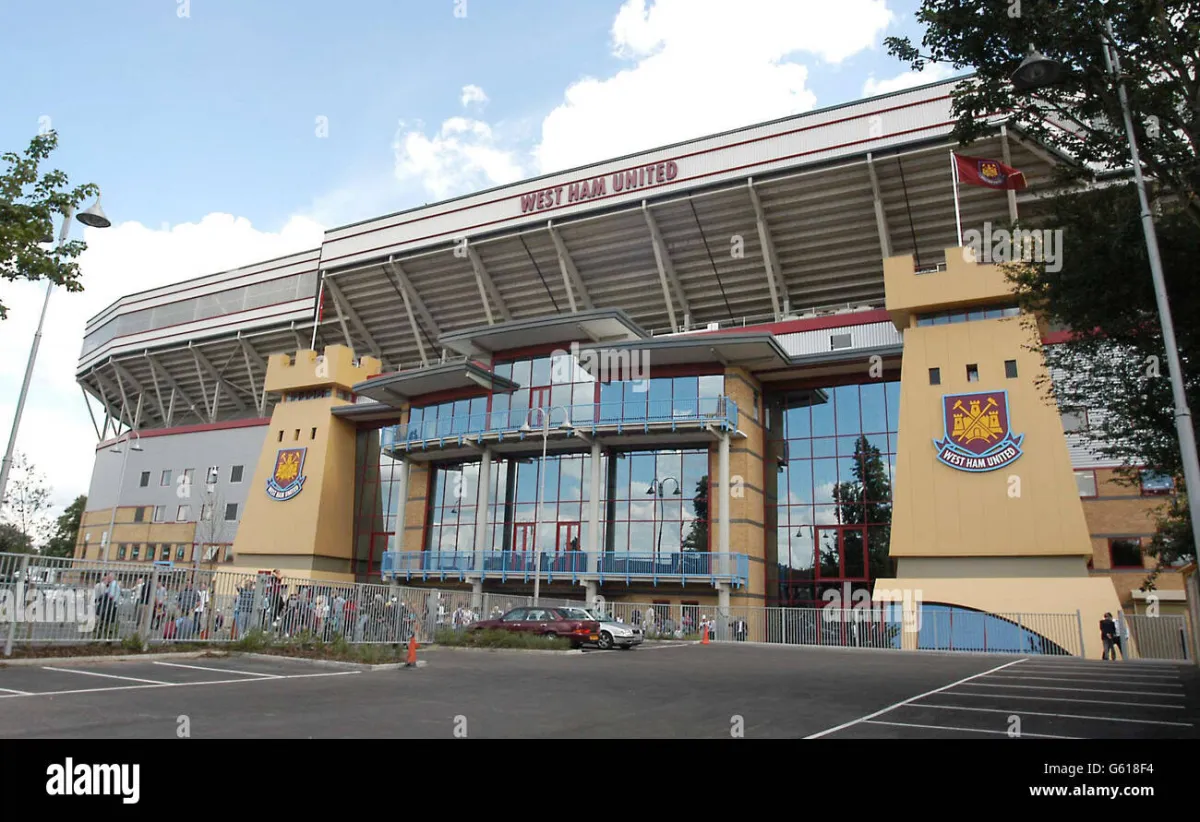 Photo: Upton Park, via c8.alamy.com
"The Boleyn Ground was our Wembley back then," recalls Sarah Mitchell, who's been coaching girls' football in Greenwich for over two decades. "But it was also our inspiration. Every time we took a minibus up there, the girls would come back talking about playing at that level. They could see it was possible."
 Photo: The Boleyn Ground, via i.pinimg.com
Rivals, Friends, and Frenemies
What makes South East London unique in the women's football landscape isn't just the quality - it's the density. Within a ten-mile radius of The Valley, you'll find more established women's clubs than anywhere else in the country. Millwall Lionesses, Crystal Palace, AFC Wimbledon Women - each with their own proud history and passionate following.
This concentration has created something special: a network of rivalry that pushes everyone forward. Unlike the men's game, where local derbies can turn toxic, women's football in South London has maintained a competitive respect that benefits everyone.
"We'll give each other absolute hell for 90 minutes," laughs former Palace striker turned Charlton Women coach Emma Thompson. "But afterwards, we're sharing a drink and discussing tactics. That's the culture here - we want to beat each other, but we want each other to be good enough to make beating them mean something."
The Valley Advantage
Charlton's emergence as the region's dominant force wasn't inevitable, but it was logical. The Valley provides something most women's clubs can only dream of: a proper home. While rivals ground-share or play at training facilities, Charlton Women have the run of one of football's most atmospheric stadiums.
The psychological impact cannot be overstated. When players walk down the tunnel at The Valley, they're following in the footsteps of legends. The weight of history, the scale of ambition - it changes how you see yourself as a footballer.
"First time I played there, I got goosebumps," admits midfielder Jessica Clarke, who joined from Millwall in 2022. "You realise this isn't just about playing football anymore. This is about representing something bigger than yourself."
Community Roots Run Deep
The success of women's football in South East London stems from something deeper than facilities or funding - it's rooted in community. This is an area where football isn't just entertainment; it's identity. Families pass down allegiances like heirlooms, and local pride runs deeper than the Thames.
That community connection has been crucial for Charlton Women's growth. The club hasn't just attracted players from across South London; it's captured hearts and minds. Season ticket holders who've supported the men's team for decades are now regulars at women's matches, creating an atmosphere that visiting teams find intimidating.
"The Addicks family doesn't discriminate," explains lifelong supporter Tony Walsh, whose granddaughter now plays in Charlton's academy. "Red is red, whether you're watching the men or the women. The passion's the same, the songs are the same, the hope is the same."
The Ripple Effect
Charlton's rise has had a transformative effect on women's football across South East London. Local clubs that once struggled to fill teams are now turning players away. School participation has soared. Sunday league teams are sprouting up like daffodils in spring.
"It's created a virtuous cycle," observes Dr. Helen Roberts, a sports sociologist at Greenwich University who's studied the region's football culture. "Success breeds participation, participation breeds talent, talent breeds more success. Charlton's achievements have lifted the entire area."
The numbers back this up. Youth registrations for girls' football in the boroughs surrounding The Valley have increased by 340% since 2019. Local coaches report interest from families who'd never considered football for their daughters.
Looking Forward
As Charlton Women continue their push towards the Women's Super League, they carry the hopes of an entire region. This isn't just about one club's ambitions - it's about proving that South East London belongs at the top table of women's football.
The foundations are solid. The community support is genuine. The talent pipeline is flowing. From the historic grounds of Upton Park to the modern ambitions of The Valley, South London has written itself into the story of women's football.
And this is just the beginning.