The Early Birds of Football
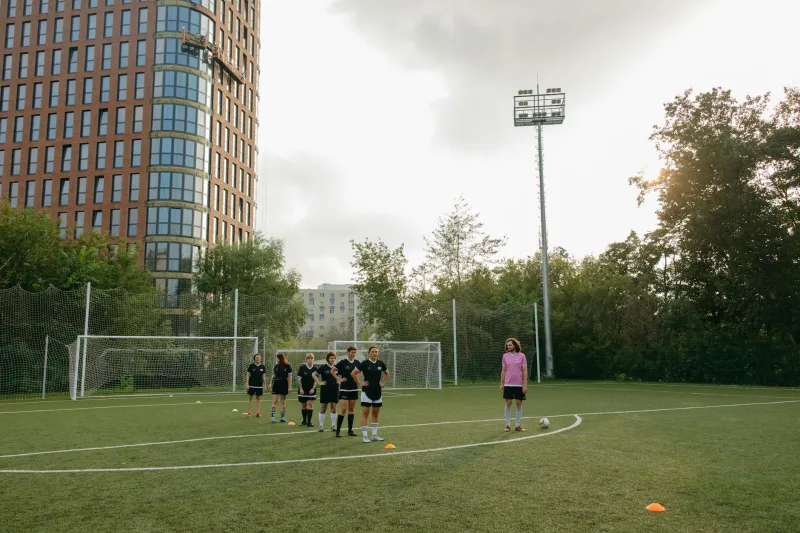
At 8:30 on a drizzly Saturday morning, whilst most of South East London is still nursing their morning coffee, Dave Mitchell is already pulling on his waterproof boots. By 9:15, he's standing on the sideline of a windswept recreation ground in Dartford, notepad in hand, watching 16-year-olds chase a football with the same intensity you'd see at Wembley.
Dave isn't a parent or a coach – he's one of Charlton Athletic Women's most valuable assets, though you'll never see his name in lights. He's part of a small but dedicated network of scouts who spend their weekends combing through grassroots football across Kent and South East London, hunting for diamonds in the rough.
"People think scouting is glamorous," Dave laughs, wiping rain from his glasses as he watches a promising left-back deliver a pinpoint cross. "But it's mostly standing in car parks that smell like chip fat, trying to spot something special in a sea of enthusiasm."
Beyond the Obvious
What makes Charlton's scouting network different isn't just their dedication – it's their philosophy. Whilst bigger clubs with deeper pockets can afford to poach established talent from rival academies, the Addicks have built their recruitment around a more nuanced approach.
"We're not looking for the girl who scores five goals every match," explains Sarah Coleman, Charlton Women's Head of Recruitment. "We're looking for the one who makes the right pass under pressure, who communicates constantly, who lifts her teammates when they're 2-0 down with ten minutes left."
This philosophy stems from necessity as much as strategy. Without the financial muscle of WSL giants, Charlton have learned to identify character traits that bigger clubs might overlook. They're searching for players who understand what it means to wear the red shirt, who'll embrace the club's community values rather than simply seeing it as a stepping stone.
The Art of Seeing Potential
Take Jessica Williams, now a key player in Charlton's first team. Three years ago, she was turning out for Bexley United in the Kent County League, largely overlooked by other clubs because she lacked the obvious physical attributes scouts typically seek.
"Jess wasn't the fastest or the strongest," remembers scout Tony Harrison, who first spotted her during a particularly muddy encounter in Sidcup. "But she had this ability to find space where none existed, and her first touch was like silk. More importantly, she never stopped talking to her teammates, organising them, lifting them."
That emotional intelligence, that understanding of the collective game, has become Jessica's trademark at Charlton. It's also become a key identifier for the club's scouting network – they're not just watching individual performances, but how players interact with their environment and teammates.
Local Knowledge as Currency
Charlton's scouts possess something money can't buy: genuine local knowledge. They know which Sunday league teams in Eltham play attractive football, which youth coaches in Gravesend have a reputation for developing technically gifted players, and which local clubs share Charlton's values around player development.
"I've been watching grassroots football in this area for fifteen years," says Mitchell. "I know which managers push their players to think about the game, not just run around aimlessly. I know which clubs prioritise skill development over just winning at youth level."
This network extends beyond formal scouting. Local coaches regularly tip off Charlton about promising players, creating a web of relationships that bigger clubs simply can't replicate overnight.
The Weekend Warriors
A typical Saturday for Charlton's scouting team might involve visits to three different matches across South East London and Kent. They'll watch everything from under-16s county cup matches to women's regional league fixtures, often in conditions that would deter fair-weather supporters.
"Last weekend I was at Crayford Arrows in the morning, then drove to Maidstone for an afternoon match, then finished up watching floodlit football in Woolwich," recounts scout Lisa Thompson. "By Sunday evening, I'd seen about 200 players across various age groups and levels."
From those 200 players, perhaps two or three will warrant a second look. Maybe one will eventually earn a trial at Charlton. The conversion rate is brutal, but that's what makes the successes so rewarding.
Building for Tomorrow
What sets Charlton's approach apart is their long-term thinking. Rather than focusing solely on players who can make an immediate impact, they're building relationships with promising 14 and 15-year-olds, understanding their family situations, their academic commitments, their footballing ambitions.
"We're not just recruiting players," explains Coleman. "We're recruiting people who'll become part of the Charlton family. That means understanding their character, their values, their commitment to improvement."
This patient approach has already yielded dividends. Several current first-team players were initially identified through this grassroots network, developing through Charlton's system rather than being purchased from rivals.
The Human Touch
In an era of data analytics and performance metrics, Charlton's scouting retains a refreshingly human element. Yes, they track statistics and analyse performance data, but the foundation remains those Saturday afternoon conversations on muddy touchlines.
"You can't measure heart rate variability or sprint speeds from the sideline of a recreation ground," admits Harrison. "But you can see how a player reacts when her team concedes a late equaliser, how she encourages a teammate who's made a mistake, how she adapts when the tactics aren't working."
These intangible qualities – resilience, leadership, tactical intelligence – often prove more valuable than raw athletic ability at the highest level.
The Future of Grassroots
As women's football continues its remarkable growth, Charlton's grassroots scouting network becomes increasingly valuable. They're not just identifying current talent, but building relationships that will benefit the club for years to come.
"Every player we sign through this network becomes an ambassador for Charlton in their local community," notes Coleman. "They go back to their old clubs for training sessions, they recommend teammates, they help us maintain those vital grassroots connections."
Whilst other clubs chase headlines with marquee signings, Charlton's scouts continue their Saturday morning pilgrimages across South East London and Kent. They're the unsung heroes ensuring that the next generation of Addicks stars might just be discovered on a windswept recreation ground, waiting for someone with the vision to see their potential.
In the grand theatre of women's football, these scouts represent something beautifully authentic – the belief that talent exists everywhere, waiting to be discovered by those willing to look beyond the obvious.