The Boots-to-Boardroom Revolution
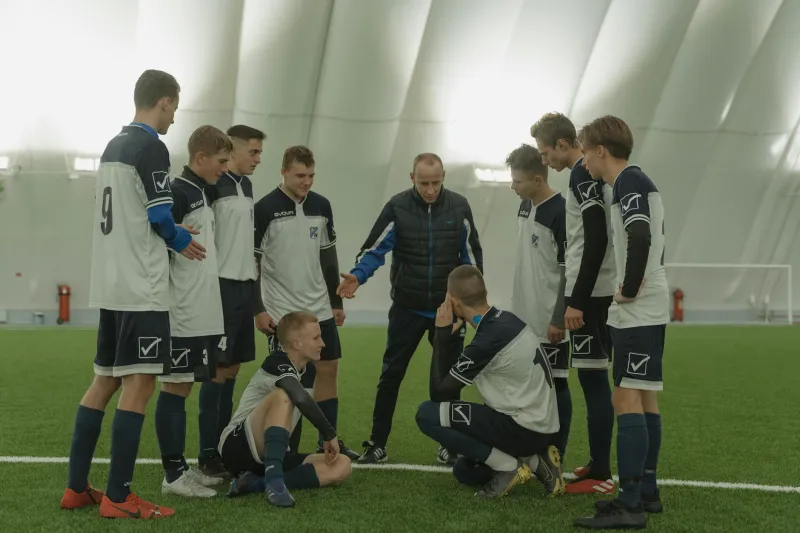
When Sarah Mitchell hangs up her tracksuit at the end of another gruelling training session with Charlton's Under-18s, there's a satisfaction that goes beyond the usual post-practice buzz. It's the knowledge that she's not just coaching football—she's building the future of women's football at The Valley, one session at a time.
Mitchell represents a growing phenomenon within Charlton Athletic Women's setup: the rise of homegrown coaching talent. Across the academy structure, former players and local women are stepping into pivotal developmental roles, creating what club insiders describe as a "virtuous circle" of football knowledge and passion.
"Twenty years ago, if you'd told me I'd be coaching the next generation of Addicks, I'd have laughed," admits Mitchell, who spent six seasons as a midfielder in Charlton's senior squad before a knee injury curtailed her playing career in 2019. "Back then, the pathway from playing to coaching wasn't really there for women. We're creating something that simply didn't exist."
From Player to Mentor: The Natural Evolution
The transition from boots to clipboard isn't always straightforward. For Emma Hartwell, now leading Charlton's Under-16 development programme, the shift required a complete reimagining of her relationship with the beautiful game.
"As a player, you're focused on your own performance, your own development," explains Hartwell, whose playing career spanned clubs across the South East before she settled at Charlton in 2020. "Coaching flips that entirely. Suddenly, you're responsible for fifteen different personalities, fifteen different learning styles, fifteen different dreams."
Hartwell's journey into coaching began almost by accident. A teaching qualification and weekend coaching badges led to covering sessions during the pandemic. What started as temporary assistance evolved into a full-time passion when she witnessed her first academy graduate make their senior debut.
"That moment—watching Jess Thompson step onto The Valley pitch for her first-team debut, knowing I'd played a small part in her journey—that's when I knew this was my calling," she recalls, her voice carrying the pride that defines Charlton's academy ethos.
The Philosophy of Progression
What sets Charlton's female coaching contingent apart isn't just their playing pedigree—it's their holistic approach to player development. Lisa Chen, the club's Head of Women's Youth Development, believes this perspective stems from their own experiences navigating women's football during its less-supported years.
"These coaches understand the complete player journey because they've lived it," Chen observes. "They know what it's like to train on substandard pitches, to juggle football with work or studies, to fight for recognition. That empathy translates into coaching that develops not just footballers, but resilient young women."
This philosophy manifests in training sessions that blend technical excellence with life skills. Mitchell's Under-18s don't just work on crossing technique—they discuss leadership, communication, and handling pressure. Hartwell's Under-16s combine tactical awareness drills with confidence-building exercises.
"We're not just preparing them for the next level of football," Mitchell explains. "We're preparing them for life. Whether they make it as professionals or not, they'll leave our programme as stronger, more confident individuals."
Breaking Down Barriers
The impact extends beyond individual development. The visible presence of female coaches throughout Charlton's academy structure is reshaping perceptions about women's roles in football. Young players see coaching as a viable career path, not just a post-playing afterthought.
"Representation matters," emphasises Hartwell. "When these girls see women in positions of authority, making tactical decisions, leading sessions, it normalises female leadership in football. We're not just coaching—we're modeling possibilities."
This cultural shift hasn't gone unnoticed by the players themselves. Sixteen-year-old academy standout Maya Patel credits her coaches with expanding her vision of football careers.
"Before joining Charlton, I only thought about playing professionally," Patel admits. "Now I see coaching, sports science, management—there are so many ways to stay involved in the game. The coaches here show us that football can be a lifelong career, not just until your legs give out."
The Ripple Effect
The success of Charlton's female coaching development is creating ripples throughout South East London's football community. Local clubs are seeking advice on establishing similar programmes, while the FA has highlighted Charlton as a best-practice example for women's coaching pathways.
"We're proving that investment in female coaching talent isn't just about equality—it's about excellence," reflects Chen. "These coaches bring unique insights, different perspectives, and an understanding of the modern women's game that's invaluable."
Building Tomorrow's Leaders Today
As Charlton Athletic Women continues its ascent through the football pyramid, the foundation being laid by these coaching pioneers becomes increasingly crucial. They're not just developing players—they're cultivating the next generation of coaches, creating a sustainable ecosystem that will serve the club for decades.
"In ten years' time, I want to see former academy players returning as coaches themselves," Mitchell envisions. "That's when we'll know we've truly succeeded—when the pathway becomes self-perpetuating, when Charlton becomes synonymous with developing not just great players, but great leaders."
The terraces of The Valley have long echoed with passionate support for the Addicks. Now, those same stands are witnessing the emergence of a new kind of leadership—one that promises to shape not just Charlton's future, but the broader landscape of women's football development.
In the hands of these pathway pioneers, tomorrow's Addicks are in excellent care.