The Captain's Burden: Number 6
In women's football, certain numbers carry weight beyond their numerical value. At Charlton Women, no digit holds more significance than the number 6 – a shirt that has adorned the backs of every captain since the club's reformation.
"When they offered me the 6, I felt the responsibility immediately," recalls former captain Emma Thompson, who wore the number during the club's most successful period in the mid-2010s. "It wasn't just about leading the team on matchdays. That number represented every training session, every team talk, every moment when the girls needed someone to follow."
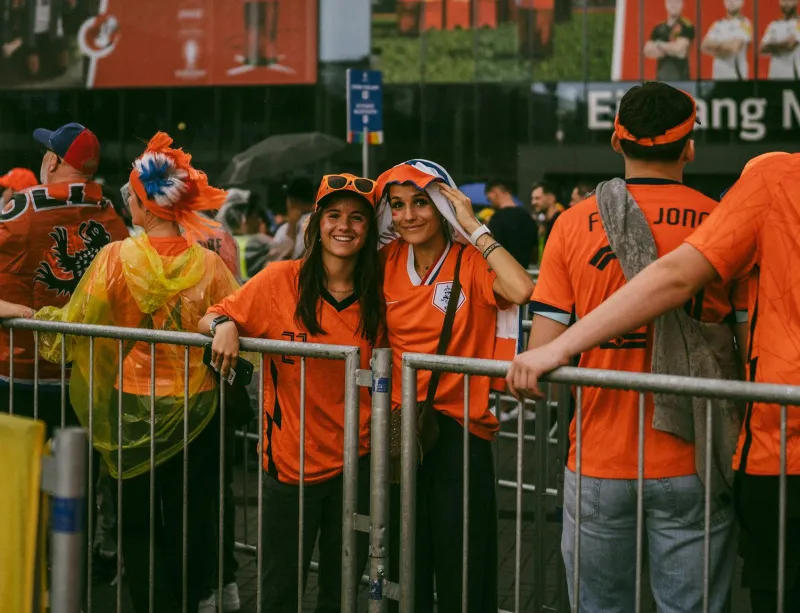
 Photo: Emma Thompson, via rsliterature.org
The tradition began almost by accident. When Charlton Women reformed, founding captain Sarah Williams simply requested the number 6 because it had been her lucky number since childhood. What followed was three seasons of inspired leadership that saw the club climb from local leagues to national recognition.
"Sarah set the standard," explains club historian and long-term supporter David Reynolds. "Every player who's worn that shirt since has understood they're not just representing themselves – they're carrying forward a legacy of leadership."
The Keeper's Curse: Number 1
If the number 6 represents leadership, then the number 1 at Charlton Women tells a story of resilience and redemption. For five seasons, it was synonymous with heartbreak – worn by a succession of goalkeepers who couldn't quite bridge the gap between ambition and achievement.
"We went through four different keepers in three seasons," remembers former manager Patricia Collins. "Each one talented, each one determined, but something about that shirt seemed cursed. Clean sheets were rare, confidence was fragile, and the number 1 became a burden rather than a badge of honour."
Everything changed when Rebecca Martinez arrived from Crystal Palace in 2019. The Spanish goalkeeper didn't just take the number – she transformed its meaning entirely.
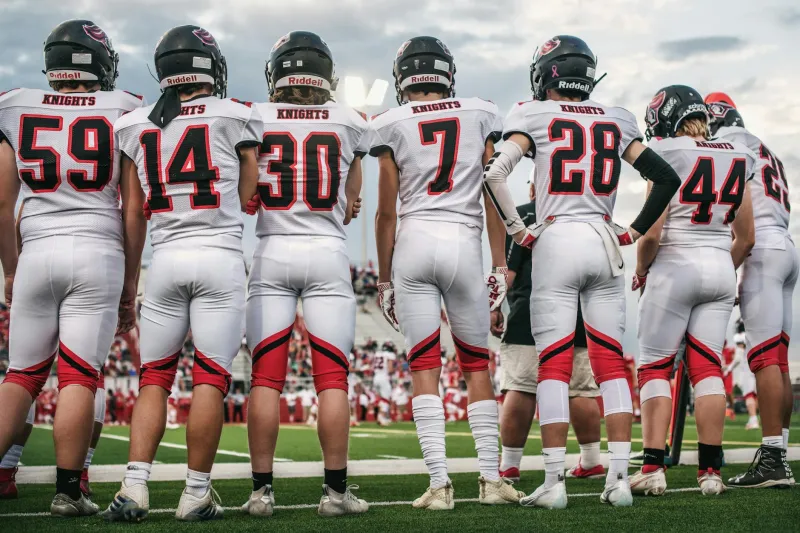
 Photo: Rebecca Martinez, via images.squarespace-cdn.com
"I knew the history," Martinez explains in her distinctive South London accent, adopted after five years in the capital. "My teammates told me about the curse, the pressure, all of it. But I saw an opportunity to rewrite the story."
Rewrite it she did. Martinez's first season yielded twelve clean sheets, a club record that still stands. More importantly, she gave the number 1 its confidence back.
"Rebecca didn't just wear that shirt – she owned it," reflects current goalkeeper coach Tony Williams. "She turned the number 1 from a symbol of struggle into a mark of excellence. Now when young keepers join us, they dream of earning that jersey."
The Prodigy's Promise: Number 11
Some numbers become legendary through longevity; others achieve immortality in a single, perfect season. At Charlton Women, the number 11 belongs to the latter category, forever associated with the most gifted player ever to grace The Valley's pitch.
Katie Morrison was just seventeen when she first pulled on the number 11 shirt in 2017. What followed was a season of individual brilliance that elevated not just her own reputation, but the entire club's profile.
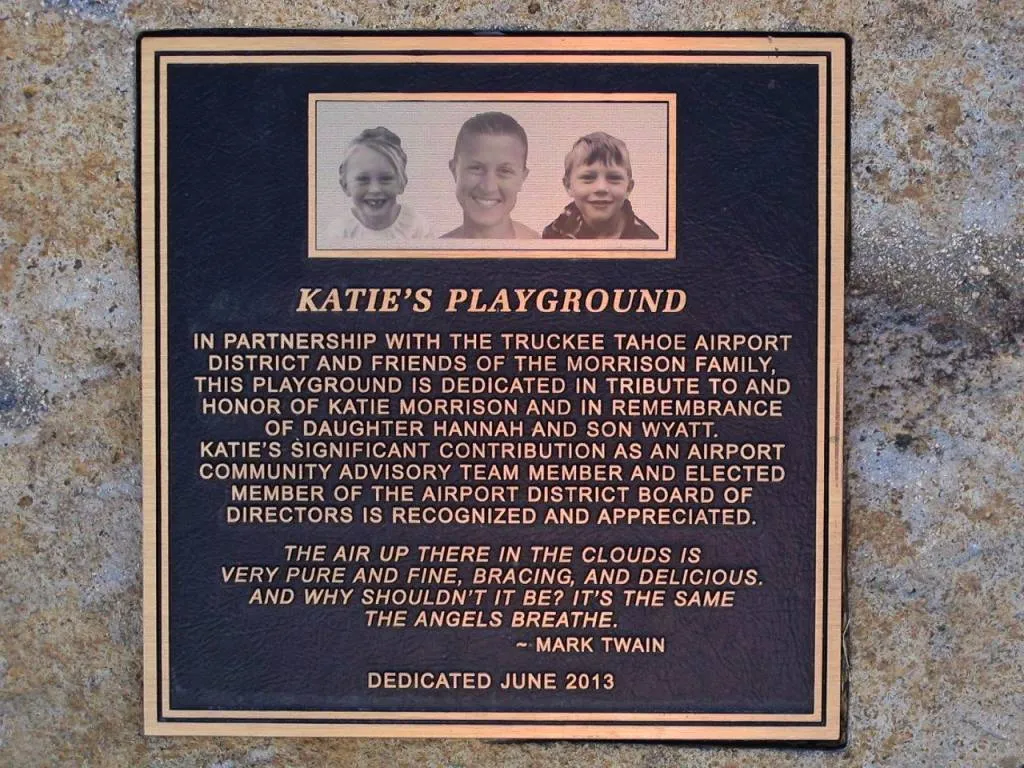 Photo: Katie Morrison, via www.carrlong.com
"Katie was special from day one," remembers her former teammate and current assistant coach Louise Parker. "But in that number 11 shirt, she became unstoppable. Fourteen goals in twenty-three appearances, three Player of the Month awards, and scouts from Arsenal watching our matches."
Morrison's departure to join Arsenal's academy was inevitable, but her impact on the number 11 was permanent. Since her departure, three different players have worn the shirt, each carrying the weight of comparison.
"It's intimidating," admits current number 11 Zoe Campbell. "Everyone remembers Katie's season, and rightly so. But I've learned to see it as inspiration rather than pressure. That shirt represents what's possible when talent meets opportunity."
The Heartbreak Hero: Number 9
Football history is littered with famous number 9s, but at Charlton Women, the shirt carries a uniquely poignant story. For three seasons, it belonged to Michelle Roberts – a striker whose career was cut short by injury just as she reached her peak.
"Michelle was our talisman," explains former captain Emma Thompson. "Clinical in front of goal, inspiring in training, and the kind of player who made everyone around her better. Losing her wasn't just a blow to our attack – it was losing the heart of our team."
Roberts' knee injury, sustained during a crucial promotion push in 2018, effectively ended her playing career at age 26. The number 9 shirt was retired for an entire season as a mark of respect – an unprecedented gesture that demonstrated the esteem in which she was held.
"The club didn't have to do that," Roberts reflects, now working as a youth coach in the local area. "But it meant everything to me. That shirt represented my dreams, my identity as a footballer. Knowing it was honoured in that way helped me find peace with what happened."
When the number 9 returned the following season, it came with added responsibility. Current striker Jade Williams understands the weight of expectation.
"I know Michelle's story, and I know what this number means to the club," Williams explains. "Every goal I score, every run I make, I'm trying to honour her legacy while creating my own. It's a privilege, not a pressure."
The Utility Legend: Number 14
Not every legendary shirt number needs to be iconic. Sometimes greatness comes in the form of quiet consistency, and at Charlton Women, no number embodies this principle better than 14.
For seven seasons, it has belonged to versatile midfielder Lauren Hayes – a player who has worn every outfield position except goalkeeper and never complained once about tactical changes or positional switches.
"Lauren's the ultimate team player," explains current manager Sarah Mitchell. "Centre-back, full-back, defensive midfielder, attacking midfielder – wherever we need her, she performs. The number 14 has become synonymous with reliability."
Hayes herself is typically modest about her role. "I just love playing football," she shrugs. "If the gaffer needs me at left-back to help the team win, that's where I'll play. The number on my shirt doesn't matter – it's about contributing to something bigger than myself."
The Future Beckons
As Charlton Women continue to develop, new numbers are beginning to forge their own legends. The number 22, worn by promising young defender Amy Foster, has become associated with fearless tackles and last-ditch blocks. The number 18, currently adorning the back of creative midfielder Chloe Davidson, is building a reputation for spectacular long-range goals.
"Every season brings new stories, new heroes, new numbers to remember," reflects club historian David Reynolds. "That's the beauty of football – history is always being written, traditions are always evolving."
For supporters of Charlton Women, these numbers represent more than squad identification. They're symbols of dedication, reminders of great moments, and promises of future glory. In a sport where individual brilliance serves collective success, these legendary shirts remind us that some numbers truly do carry the weight of history.
"When I see a young girl wearing a replica shirt with one of these numbers," concludes former captain Emma Thompson, "I know she's not just supporting a player – she's connecting with our story, our struggles, our triumphs. That's what makes these numbers special. They're not just digits – they're our legacy."