The Palace Wars
There's something about Crystal Palace that brings out the absolute worst – and best – in Charlton Women. Perhaps it's the geographical proximity, maybe it's the clash of philosophies between two South London clubs with vastly different approaches to the women's game. Whatever the reason, no fixture on the calendar generates more heat than when the Addicks face the Eagles.
"You can feel it in the air during the week leading up to Palace," recalls former captain Sarah Mitchell, who played in seven encounters between the clubs during her five-year spell at The Valley. "Training sessions get more intense, tackles fly in harder, and even the banter in the canteen takes on an edge. It's like the whole club transforms."
 Photo: The Valley, via image.tmdb.org
The rivalry reached its peak during the 2019-20 season when both clubs were battling for promotion from the third tier. Their meeting at Selhurst Park in February remains one of the most ferocious encounters in Charlton Women's history – three red cards, two penalty appeals, and a last-minute winner that sparked celebrations visible from space.
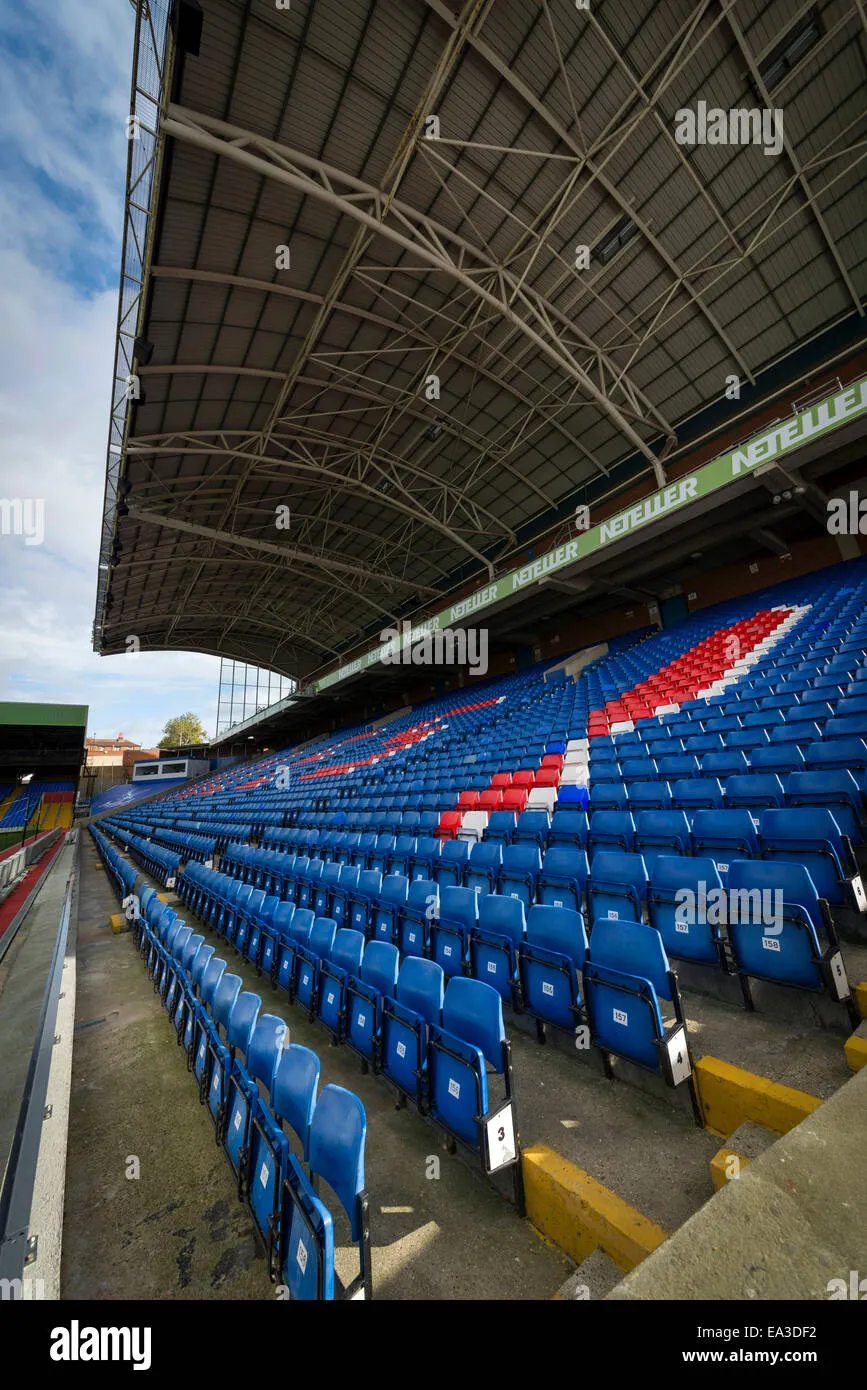 Photo: Selhurst Park, via c8.alamy.com
"I've never wanted to beat a team more in my life," admits striker Lauren Hayes, who scored the decisive goal that night. "Palace had been talking themselves up all season, acting like promotion was already theirs. When that ball hit the net, it felt like we'd won the league."
The Millwall Menace
If Palace represents geographical rivalry, then Millwall embodies something altogether more primal – a clash of cultures that extends far beyond the women's game into the very soul of South London football. The Lionesses' reputation for physicality and intimidation has always provided the perfect foil for Charlton's more technical approach.
"Millwall away was always a test of character," reflects former midfielder Jessica Thompson, who faced them eight times during her Charlton career. "Their fans would try to wind you up from the moment you stepped off the coach, their players would let you know they were there from the first tackle. You had to show you belonged on that pitch."
The defining moment came in a 2018 cup quarter-final at The Valley, when Millwall arrived with their usual swagger and left with their tails between their legs after a 4-0 thrashing that remains one of the most complete performances in recent club history. More importantly, it established Charlton Women as a force to be respected rather than merely endured.
"That night changed how other teams saw us," argues long-serving defender Rachel Adams. "We went from being the nice girls from Charlton to being proper competitors. Sometimes you need a statement victory to announce your intentions."
The Promotion Nemesis
Not all rivalries are built on geography or history – sometimes they're forged in the white heat of crucial matches that define seasons and careers. For Charlton Women, no team has provided more frustration and motivation than Portsmouth, the club that seemed to appear at every crucial juncture during the late 2010s.
Three times in four seasons, Portsmouth stood between Charlton and promotion. Three times, the matches went to the wire. Twice, Portsmouth prevailed. The psychological battle became as important as the tactical one, with both sets of players admitting they studied each other obsessively.
"Portsmouth knew our game inside out, and we knew theirs," remembers former manager Carol Stevens. "It became chess rather than football – every substitution, every formation change was about gaining the tiniest advantage. The players hated losing to them because they knew exactly how good we were."
The rivalry reached its crescendo in the 2020 playoff final, when Charlton finally overcame their nemesis with a 2-1 victory that felt more like exorcism than football match. Current captain Emma Davies, who scored the winner that day, still gets emotional discussing the moment.
"All those years of near-misses, all those conversations about what we needed to do differently – it all came down to ninety minutes against Portsmouth," she explains. "When my shot hit the net, I wasn't just celebrating a goal. I was celebrating the end of years of frustration."
The Academy Antagonists
Rivalries aren't confined to senior football. Charlton Women's academy has developed its own intense relationship with Arsenal's youth setup, born from repeated meetings in cup competitions and development leagues. The contrast in resources and expectations has created a David versus Goliath dynamic that brings out the best in young Addicks players.
"Playing Arsenal is like a masterclass in everything we aspire to be," observes academy coach Lisa Murphy. "Their facilities, their coaching staff, their pathway to professional football – it's all world-class. But our girls know that talent and determination can bridge any gap."
The academy rivalry reached its peak when Charlton's Under-18s knocked Arsenal out of the FA Youth Cup in 2021, a victory that sent shockwaves through women's football and proved that smaller clubs could compete with the giants given the right preparation and mindset.
The Modern Landscape
As Charlton Women continues to climb the football pyramid, new rivalries are emerging. The recent promotion to the Championship has introduced fresh antagonists – teams with bigger budgets, better facilities, and higher expectations. But the lessons learned from those early battles against Palace, Millwall, and Portsmouth have prepared the club for whatever challenges lie ahead.
"Rivalries teach you about yourself," reflects current manager Lisa Roberts. "They force you to dig deeper, to find levels of performance you didn't know existed. Every great club needs teams they love to beat, and thankfully we've never been short of options."
The beauty of these relationships lies not in the hatred they generate, but in the respect that ultimately emerges. Many of Charlton's fiercest rivals have become their closest allies in campaigns for better facilities, increased funding, and improved recognition for women's football.
The Valley Effect
What transforms competitive matches into genuine rivalries is the atmosphere they create at The Valley. The South London faithful have embraced these grudge matches with characteristic passion, creating an intimidating environment that has helped tip several crucial encounters in Charlton's favour.
"There's nothing like The Valley when it's rocking for a big rivalry match," says long-time supporter Margaret Williams, who has attended every home fixture for the past eight seasons. "The players feed off our energy, and we feed off theirs. It becomes this incredible feedback loop where everyone raises their game."
These matches have also served as recruitment tools, with several players citing the atmosphere during rivalry fixtures as a key factor in their decision to join the club. The passion on display demonstrates that Charlton Women isn't just a football team – it's a community with genuine emotional investment in success.
Legacy and Learning
As the current squad prepares for another season of battles, they carry the lessons learned from these defining rivalries. The resilience developed through years of tough encounters, the tactical intelligence honed against familiar opponents, and the mental strength forged in high-pressure situations – all remain central to Charlton Women's identity.
"Every rivalry taught us something different," concludes Davies. "Palace showed us the importance of local pride, Millwall taught us about physicality and mental strength, Portsmouth demonstrated the value of persistence. We're a stronger club because of every team that pushed us to be better."
In the end, these rivalries have done more than simply provide entertaining matches – they've shaped the very character of Charlton Women, creating a club that knows how to fight, how to win, and most importantly, how to bounce back from defeat. As new challenges emerge and fresh opponents await, the fighting spirit forged in these crucible encounters will continue to serve the Addicks well.
After all, the best rivalries don't just create great matches – they create great clubs. And Charlton Women, tested by fire and strengthened by adversity, stands as living proof of that truth.