The Bell Rings for Something Special
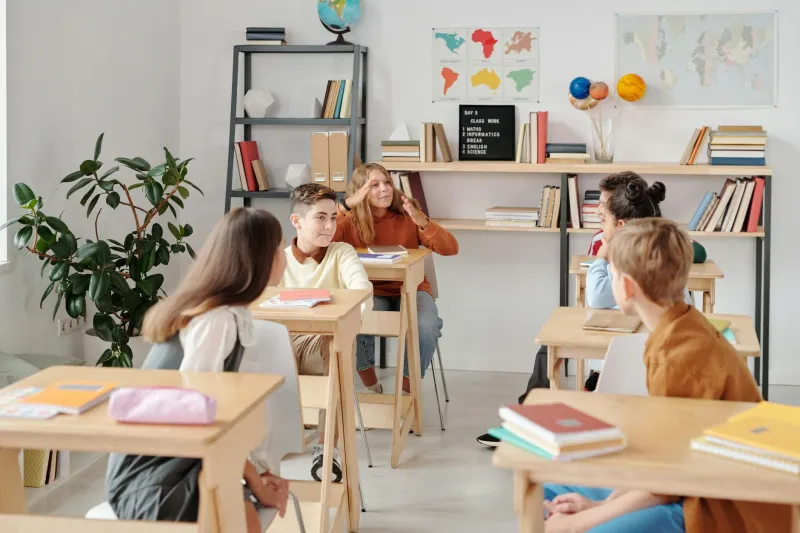
When Year 6 pupils at Blackheath Primary School spotted a familiar red shirt walking through their classroom door last Tuesday morning, the excited whispers quickly turned to stunned silence. Standing before them wasn't just any visitor – it was Charlton Women midfielder Sarah Jenkins, fresh from Saturday's victory against Crystal Palace, ready to spend the morning talking about dreams, determination, and what it really means to wear the Addicks badge.
"You could have heard a pin drop," recalls teacher Mrs. Patricia Coleman. "These children watch Charlton on television, they see the players as these almost mythical figures. But suddenly, here's Sarah, sitting cross-legged on our carpet, asking about their favourite subjects and sharing stories about her own school days."
This scene is becoming increasingly common across South East London, as Charlton Women's community outreach programme reaches new heights. What started as occasional school visits has evolved into a comprehensive initiative that sees first-team players regularly stepping into classrooms, youth clubs, and community centres throughout the borough.
Beyond the Autographs
The programme, launched eighteen months ago, goes far deeper than traditional meet-and-greets. Players don't just turn up, sign a few autographs, and disappear. Instead, they're embedded into the school day – helping with PE lessons, joining literacy sessions, and most importantly, having honest conversations about overcoming obstacles.
"I remember being their age and thinking footballers lived in this completely different world," explains Jenkins, who grew up just three miles from The Valley. "I want these kids to understand that we're just like them. I struggled with maths, I got nervous before big presentations, I had days when I didn't believe in myself. The only difference is I kept going."
The impact is immediately visible. At Kidbrooke Community School, headteacher Mr. James Richardson has noticed a marked change in attitude among his pupils, particularly the girls.
"We've had students who previously showed little interest in sport suddenly asking about joining our football club," he explains. "But it's not just about football – it's about seeing women in positions of strength and leadership. When our Year 8 girls see Charlton's captain talking about resilience and teamwork, it resonates in ways that textbooks simply can't achieve."
The Ripple Effect
Eleven-year-old Amara Thompson from St. Margaret's Primary in Lee exemplifies this transformation. Before striker Emma Clarke's visit to her school last month, Amara had never considered playing organised football.
"Emma told us about how she used to practice against the garage door in her garden for hours every day," Amara recalls with obvious excitement. "She said her neighbours complained about the noise, but her mum told them that's what dreams sound like. I've started doing the same thing now."
Amara's mother, Lisa Thompson, has witnessed the change firsthand. "She comes home from school with this incredible energy now. She's joined the local girls' team, but more than that, she's more confident in everything she does. She'll put her hand up in class now, she'll try new things. That visit didn't just introduce her to football – it introduced her to believing in herself."
More Than Role Models
Defender Katie Walsh, who participates in the programme twice a month, emphasises that the players gain as much from these interactions as the children do.
"These kids ask the most incredible questions," Walsh laughs. "Last week, a seven-year-old asked me if I ever feel scared before big matches. It made me realise how important honesty is. I told her yes, I do feel scared sometimes, but that's normal and it doesn't mean I can't do amazing things anyway."
The programme has also evolved to address broader life skills. Players discuss everything from handling disappointment and dealing with peer pressure to the importance of education alongside sporting ambitions.
"We're not just trying to create the next generation of footballers," explains community liaison officer Rachel Martinez. "We're trying to create confident, resilient young people who understand that with hard work and self-belief, they can achieve anything they set their minds to."
Building Tomorrow's Supporters
The initiative is already bearing fruit in unexpected ways. Several schools report increased interest in attending Charlton Women matches, with some organising group trips to The Valley. More significantly, teachers note improved classroom dynamics and enhanced participation in physical education.
"The conversations don't end when the players leave," observes Mrs. Coleman from Blackheath Primary. "Children reference these visits weeks later. They'll be facing a difficult task and remind each other of what Sarah said about persistence. It's become part of our school culture."
The Valley's Extended Family
As the programme continues to expand, reaching over 2,000 children across 15 schools this academic year alone, it's clear that Charlton Women are building something special – a connection between club and community that transcends traditional boundaries.
For these young South Londoners, seeing their local heroes in their own classrooms sends a powerful message: dreams aren't reserved for distant stadiums or television screens. They're happening right here, in their neighbourhood, worn by people who understand their world because they've lived it too.
As midfielder Jenkins puts it: "We're not just representing Charlton when we pull on this shirt – we're representing every kid who's ever been told they can't do something. That's a responsibility we don't take lightly."
The red shirt in the classroom has become more than a symbol of football excellence – it's a beacon of possibility, proving that sometimes the most important victories happen long before the first whistle blows.